General Carpentry · Tri-Cities, TN

General Carpentry & Wood Rot Repair — Tri-Cities, TN

Carpentry is where I started, five years before I ever ran a company. It's still where I'm most at home — and rotted or damaged wood is the job I get called for more than any other.

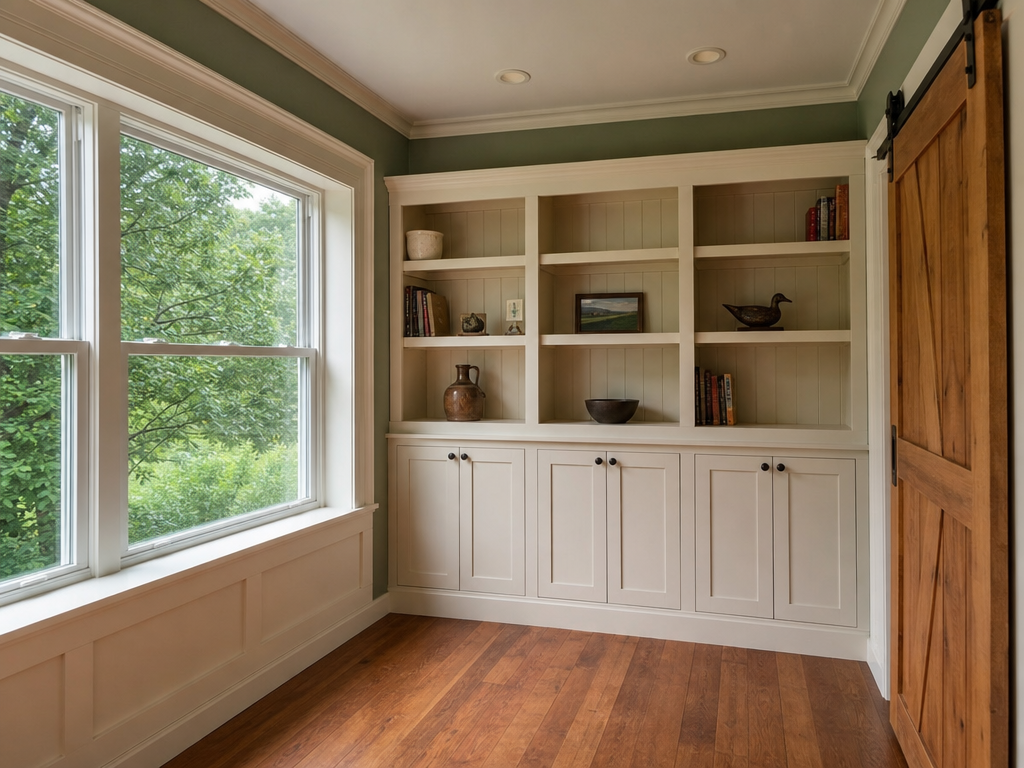
Finished interior wood trim and custom built-in shelving in a Tri-Cities home

Carpentry Work I Handle Across the Tri-Cities

Carpentry covers a lot of ground, and after 25 years I've done most of it. These are the jobs I get called for most:

Rotted and damaged wood repair. Porch posts, sill plates, band joists, floor framing, exterior trim, fascia. The rot you can see is usually the small part — I chase it back to solid wood and rebuild from there, rather than dressing over it.

Structural wood and subfloor repair. Soft, bouncy floors, a joist that's given out, a subfloor gone spongy under the tile. When the damage runs down into the floor I handle subfloor repair and new flooring in the same visit rather than handing you off to a second contractor.

Trim, casing, and finish carpentry. Baseboard, crown, door and window casing — the finish work that makes a repair read like it never happened. That includes door and window trim, casing, and jambs when a replacement leaves rough edges to clean up.

Custom shelving, mantels, and built-ins. One-off pieces built to fit the room, not ordered to a stock size from a box.

Doors, thresholds, and small framing. Hanging a door so it actually latches, replacing a threshold that's rotted underfoot, framing a new opening, or adding blocking for something heavy that's going on the wall.
Common Carpentry & Wood-Rot Problems in Older Tri-Cities Homes

A lot of what I get called for looks the same from Elizabethton to Johnson City to Kingsport, because the housing stock is a similar age — much of it several decades old and built before anyone flashed or sealed wood the way we do now:

A porch post or column that's soft at the base, where water has wicked up out of the deck for years. A rotted sill or band joist hiding behind siding and exterior wood rot — the siding is the symptom, the water is the cause, and both have to be dealt with or it comes back. Spongy floors around a tub, a toilet, or an exterior door where a slow leak has been feeding the subfloor. Rotted window and door trim on the weather side of the house. Deck framing and stair stringers gone soft, which is really deck and porch structural repair once you're into the structure.

Sometimes the rot has spread far enough that reaching it means opening a wall or a ceiling. When that happens I patch the drywall back in myself, so you're not chasing a second trade for a hole I made in the first place. None of these are things you cover up. You fix the wood, and you fix the water that caused it — or you're paying to fix the same spot again next year.

Why Wood Rot Hits Harder in the Tri-Cities & High Country

Wood takes a beating here that it wouldn't in a drier climate. Down in the valley — Elizabethton, Johnson City, Kingsport — we're humid and wet, better than 45 inches of rain a year, with spring and summer thunderstorms that drive water sideways into trim, joints, and the end grain of every board. Then winter runs the wood through freeze-thaw over and over: water soaks into a hairline check, freezes overnight, pries the crack a little wider, thaws, and does it again the next cold night. Every cycle opens the wood up a bit more for the next round of rot to get in.

Older valley homes carry a second problem on top of that — decades of paint and patch layered over wood that was never sealed or flashed right to begin with. The paint hides the rot until you press on the trim and your finger goes through it.

Up on the mountain — Boone, Banner Elk, Blowing Rock — it's rougher still. Those towns sit at three to four thousand feet, take 30 to 60 inches of snow, single-digit cold, and ice storms that sit on the wood for days. And a lot of those homes are cabins and second homes that stand empty for weeks at a stretch, so a small leak or a soft spot has all the time in the world to spread before anyone's there to catch it. By the time an owner drives up for the season, a board's worth of rot has quietly become a wall's worth.

Wood Rot Repair vs. Replacement — How to Know

Here's the honest version, because it's your money. If the damage is contained — a post, a section of trim, a run of framing — repair is almost always the right call and a fraction of the cost of tearing it all out. Good wood next to bad can be sistered, spliced, or consolidated, and it'll hold for decades.

Where I'll tell you to stop is when the rot is structural and widespread — a whole deck's framing gone, a floor system failing across the room, a load path I'm not comfortable putting my name on. Some of that is still mine to fix. Some of it crosses into what a licensed general contractor or a structural engineer should sign off on, and when it does I'll tell you straight and point you to someone I'd trust on my own house. That's the whole idea behind having someone in your corner who isn't trying to sell you the biggest version of the job.

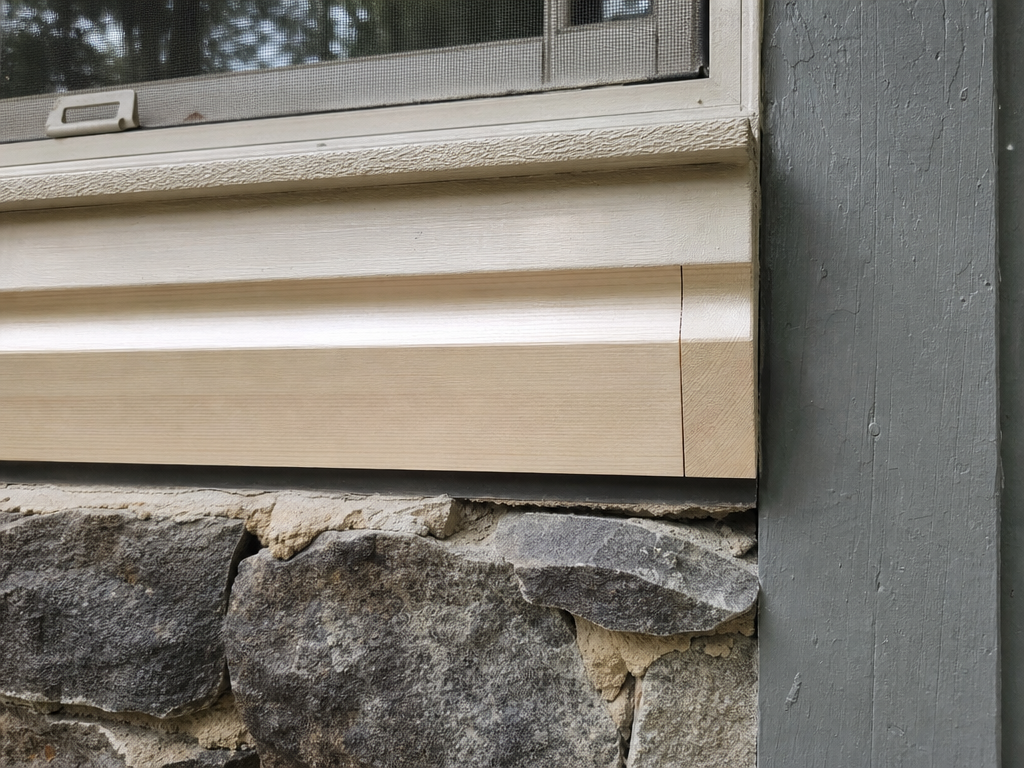
Clean new wood repair blended into existing trim with tight joints

What Carpentry Done Right Actually Involves

Anybody can screw a new board over a bad one. Doing it so it lasts is the whole difference:

Finding the water first. Rot is a water problem wearing a wood costume. If I don't find where it's getting in and stop it, the new wood rots too. That comes first, every time — before a single board goes back.

Cutting back to solid wood. I don't leave punky wood in the wall and hope. I chase the rot back to sound material even when that makes the repair bigger than either of us hoped, because a repair that stops short just fails again from the inside out.

Matching the structure, not just the surface. Sistering a joist, splicing a post, tying new framing into old so the load actually carries — the part nobody sees but everything rests on.

Sealing and priming end grain. End grain drinks water. Every cut end gets sealed and primed before it goes back, which is exactly where most quick repairs quietly fail.

Making it disappear. Matching profile, grain, and finish so the fix reads like the original wood instead of an obvious patch.

Carpentry Done Wrong — And Why It Comes Back

Most of the "repairs" I get called in to redo share the same handful of shortcuts. Filler troweled over rotted wood instead of replacing it, so the wood keeps going soft under a cosmetic skin. A fresh board nailed straight over a wet, unsealed problem that was never addressed. Framing "fixed" without ever tying into the load, so it flexes and cracks the finish above it within a year. End grain left bare to wick water right back in. Paint slapped over soft trim to get a house through a showing. Every one of those looks fine for a season and is back by the next wet winter. I would rather do it once and never hear about that spot from you again.

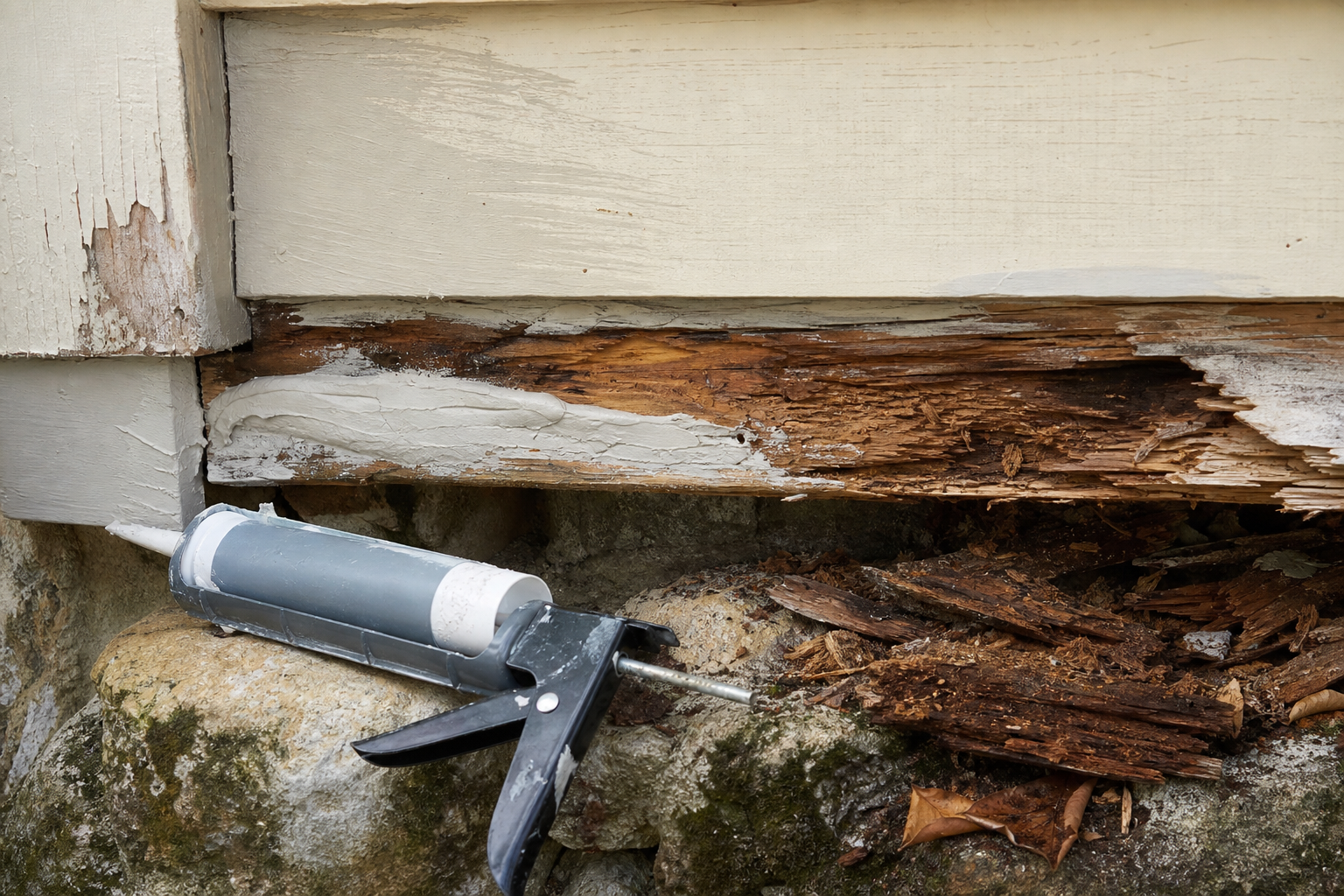
Wood rot spreading behind caulk and a cosmetic patch on exterior trim
Wood rot spreads behind a patch when the water source isn't fixed — the surface looks solved while the wood keeps going underneath.

How a Carpentry Job Goes With Me

1. You call and tell me roughly what's going on. A photo or two helps me show up prepared instead of guessing.

2. I come look — and I find the real cause, not just the soft spot you can see. Rot almost always runs further than it shows on the surface.

3. You get the honest scope — a repair, a bigger job, or "this one needs a GC or an engineer, and here's who I'd call." No upsell, no scare tactics.

4. We get it on the calendar. I'm a one-man shop, so I tell you straight when I can be there instead of promising tomorrow and not showing up.

5. I do it right and walk it with you. If something isn't sitting the way you pictured, I would rather fix it on the spot than have you tell a neighbor otherwise.

Two-part wood-repair epoxy, treated lumber, and composite trim on a workbench

Materials I Use

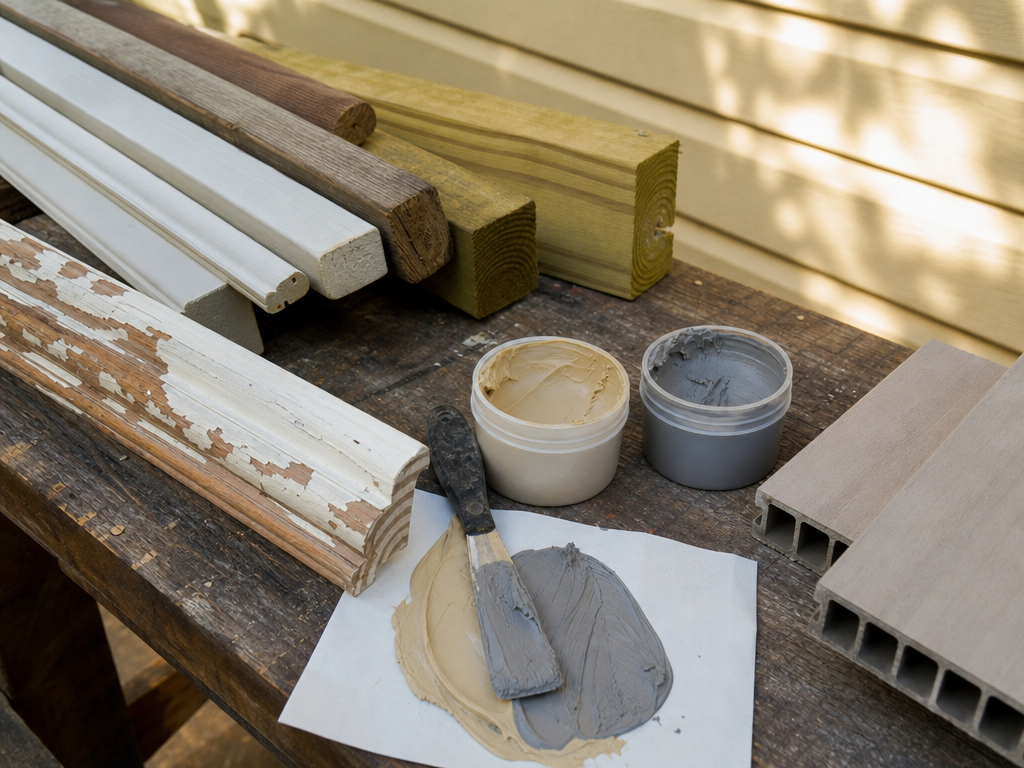
On a repair, the material matters as much as the labor. For rotted wood that's worth saving — old-growth trim, a historic sill, a post that's solid except at the base — I use two-part epoxy consolidants and fillers like Abatron LiquidWood and WoodEpox, which soak into the sound fibers, harden them back up, and let me rebuild a missing section that won't shrink, crack, or pull away from the repair edge.

Where wood has to be replaced outright, I match species and grade to what's already there, use pressure-treated lumber anywhere it touches concrete or ground, and reach for PVC and composite trim on the exterior details that rot over and over — trim boards that simply don't feed rot the way old wood does. The right material in the right spot is what makes a repair outlast the wood around it, instead of becoming the next thing to fail.

Frequently asked questions

How do I know if wood rot is structural?+

If wood is soft, spongy, or gives when you press it, it's already past cosmetic. What matters is whether it's carrying load — a post, a joist, a sill, a stair stringer. I can tell you on a walkthrough whether you're looking at surface trim rot or something holding the house up, and I won't dress it up either way.

Can you repair rotted wood without replacing the whole piece?+

Often, yes — that's exactly what epoxy consolidation is for. If the piece is mostly sound, I can save it and rebuild the bad section so it holds. If it's truly gone, I'll tell you it's gone rather than fill it and have you pay to fix the same spot twice.

Do you build custom shelving, mantels, or built-ins?+

Yes. One-off shelving, mantels, and small built-ins are regular work — built to fit the room rather than ordered to a stock size.

Can you match existing trim, molding, and profiles?+

Most of the time, yes. Older or discontinued profiles are harder and sometimes have to be milled or built up from stock pieces. Bring a sample or a photo and I'll tell you honestly how close I can get before I start.

Do you paint or finish the repair when you're done?+

I prime and seal everything I put back so the repair is protected the day I leave, but I don't do finish painting. I know good painters and I'll point you to one.

What if the rot is bigger than a handyman repair?+

Then I'll say so. If it's crossed into structural work that needs a licensed GC or an engineer's stamp, I'll point you to someone I trust — and an independent read on your estimates is worth having before you commit to a big rebuild.

Planning something bigger than a repair?

Before you hand a contractor $40,000 for a rebuild, have someone in your corner who's built these for 25 years.

Get an independent read on your estimates

Serving the Tri-Cities & NC High Country

Get your carpentry job on the calendar